Why Jaydip is walking.
Climate change is experienced through heat, water, crops, waste, health, and work. Jaydip is walking because those issues become harder to ignore when the conversation happens face to face.
What is happening
A 12,000 km walk from Malta to India, with one bag of roadside waste collected on each walking day where it is safe and legally possible.
Jaydip walks because the route gives people time to notice, ask questions, and talk. The cleanup makes the message practical. The conversations make the journey useful beyond distance.
Five parts of the walk
The route is not built around speeches. It is built around walking, cleaning, listening, connecting, and carrying those lessons forward.
Walk
Walking makes the message visible and creates conversations that faster travel would miss.
Clean
Collecting roadside waste gives the journey a practical daily action that anyone can repeat.
Listen
Each country brings different experiences of climate, farming, waste, water, and work.
Connect
Schools, communities, NGOs, local media, and volunteers can turn a route stop into a useful public discussion.
Build
After the walk, Jaydip intends to continue environmental education, cleanup work, speaking, and documentary projects in India.
Roadside waste keeps the message practical
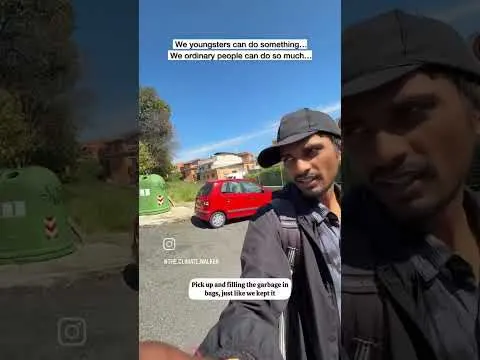
Jaydip aims to collect at least one bag of roadside waste on each walking day, wherever it is safe and legally possible.
Invite Jaydip to a school or community discussion
Offer a safe local stop or translation help
Join or organise a local cleanup
Connect the team with local media
Choose a support option that helps cover route needs
The destination is not the end of the work
Jaydip intends to use the experience, relationships, and documentation from the walk to continue environmental education, cleanup work, speaking, and documentary projects in India.
Take part in the journey.
Invite Jaydip, offer local help, organise a cleanup, or choose a support option.